
Although it may have felt like a leap of faith, LynDee Walker’s decision to transition to domestic suspense has proven to be an inspired choice. Each of her psychological suspense novels—from The Pastor’s Wife to The Housewife Next Door to the latest, The Other Widow—has become more adept and satisfying than the previous, with Walker listening to and implementing feedback from industry experts and fans of the subgenre to fine tune what was already a very gifted skillset. The Other Widow is as tightly plotted and as genuinely surprising as the best the domestic suspense subgenre has to offer—completely deserving of the critical acclaim and growing audience who find themselves flocking to this twisted tale of two very different women holding secrets that no one—including the reader—would ever imagine.
The Other Widow begins with two women being called to the hospital after their husbands have been involved in a tragic accident. Neither husband survives, but the hospital makes a mistake in sending the wrong belongings home with each widow. This error brings the high society Josphine Malone and the financially-struggling Shelby Harris into each other’s orbit—a dynamic that will lead to a forever friendship or a volatile clash between frenemies.
LynDee Walker chooses to unravel this addictive storyline solely with alternating point of view chapters from Shelby and Josephine. In order for this method to pay dividends, each woman needs to feel like an individual, wholly formed and existing in their own world prior to their paths intertwining. Fortunately, this is where Walker excels: crafting complex, yet believable female characters readers instantly care about. That she is able to do this with only minimal backstory is a testament to Walker’s innate knowledge of psychology, demographics, and human interaction. Readers will witness as this collision (pun intended) alters each of these characters in ways that they never expected. The beauty of the domestic suspense landscape is that readers never know if they should believe what is happening on the page, right before their eyes.
Josephine is left to care for her two sons: a teenager and a younger boy on the autistic spectrum. Her relationship with her own parents is fraught with dramatics and she longs to find a friend she can trust. It’s worth pointing out here that the scenes involving the young boys are some of the strongest in the novel. LynDee Walker manages to express the love of a mother on the page and readers come to genuinely care about what happens to these children with each poor decision made by the adults around them. Meanwhile, Shelby is struggling to make ends meet with low paying jobs. Readers get the sense that she is a survivor, the type of woman who faces each obstacle placed in her path, but unable to give herself credit for not succumbing to despair.
Domestic suspense readers know that the enjoyment of reading these novels comes from the unexpected developments and mind-blowing twists that reside between each page turn. Here too, LynDee Walker shines. Every serpentine move in this novel feels earned and organic to the plot as laid out before readers, bit by bit. Particularly in Part One, the logical progression and pacing is near perfect, ensuring that readers will struggle to pull themselves away from the page. Shockingly, even by the end—given some of the startling revelations—the reader never needs the typical suspension of disbelief that so many books of this ilk require.
The Other Widow confirms that LynDee Walker is a suspense novelist at heart and readers will close the book anxious to see what she comes up with next. If the pattern continues, it’s sure to be a wild ride.
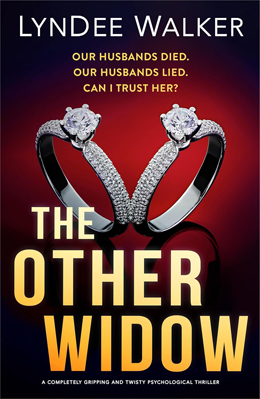
BUY LINKS: The Other Widow by LynDee Walker
Disclaimer: An e-galley of this title was provided to BOLO Books by the publisher. No promotion was promised and the above is an unbiased review of the novel.


